Educational Insights on Nutrition for Men Over 40

Explore science-based information about balanced diet, natural components, and lifestyle approaches that support daily wellbeing.

Educational content only. No medical services. No promises of outcomes.

Learn More
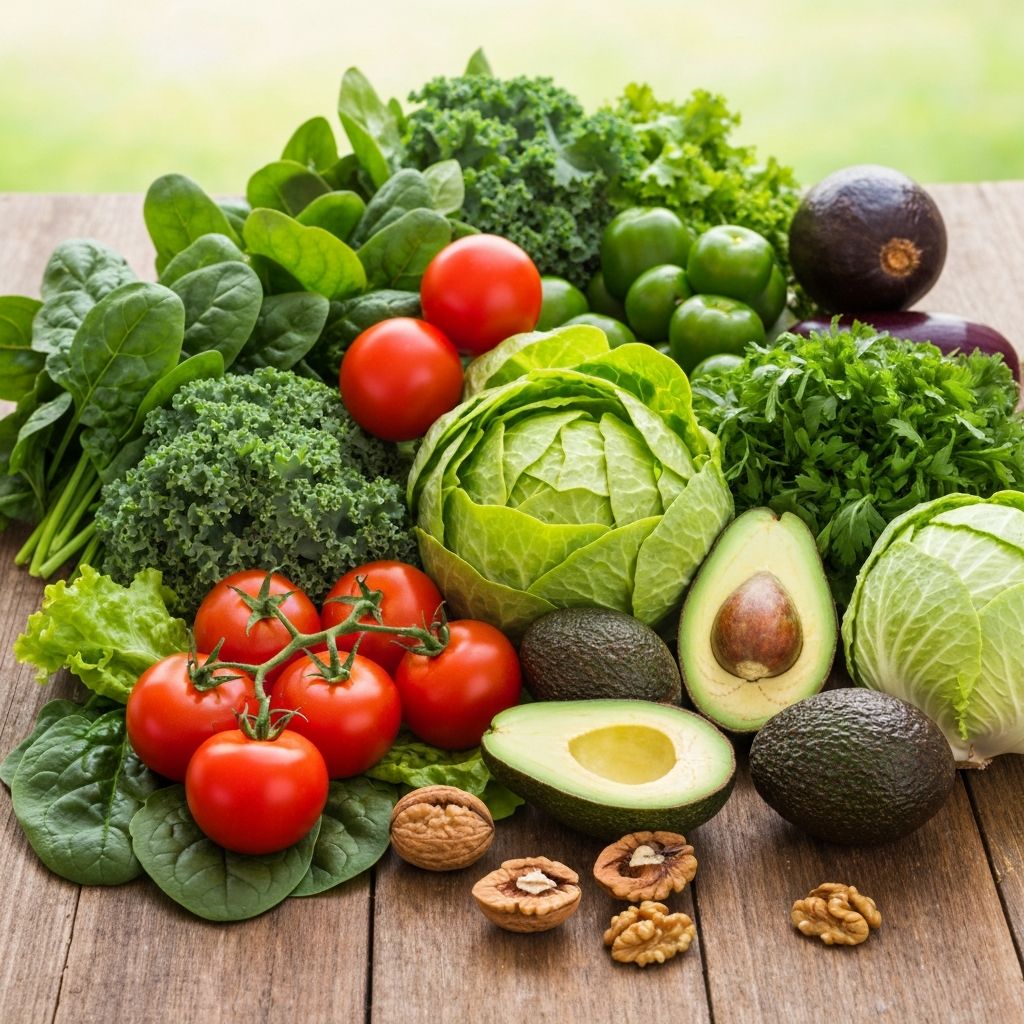
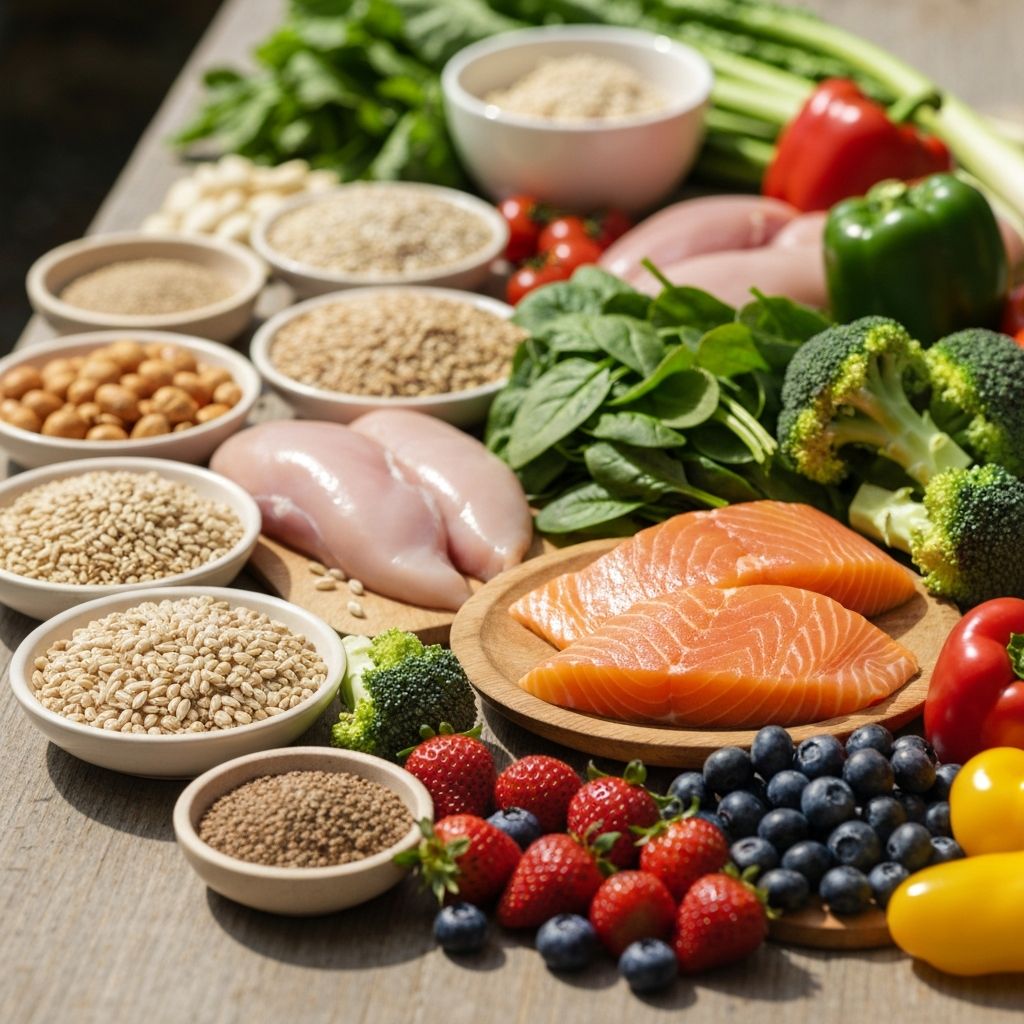
Healthy vegetables and fruits

Introduction to Men's Nutrition and Wellbeing

As men enter their 40s and beyond, nutritional needs evolve. This educational resource explores how balanced eating patterns and natural food components can support daily energy, mental clarity, and overall vitality.

Understanding the role of whole foods, plant-based ingredients, and mindful eating habits provides valuable context for making informed choices about everyday nutrition.

This content serves an informational purpose and does not replace personalized guidance from qualified professionals.

Diverse healthy food ingredients

Natural Ways to Support Energy

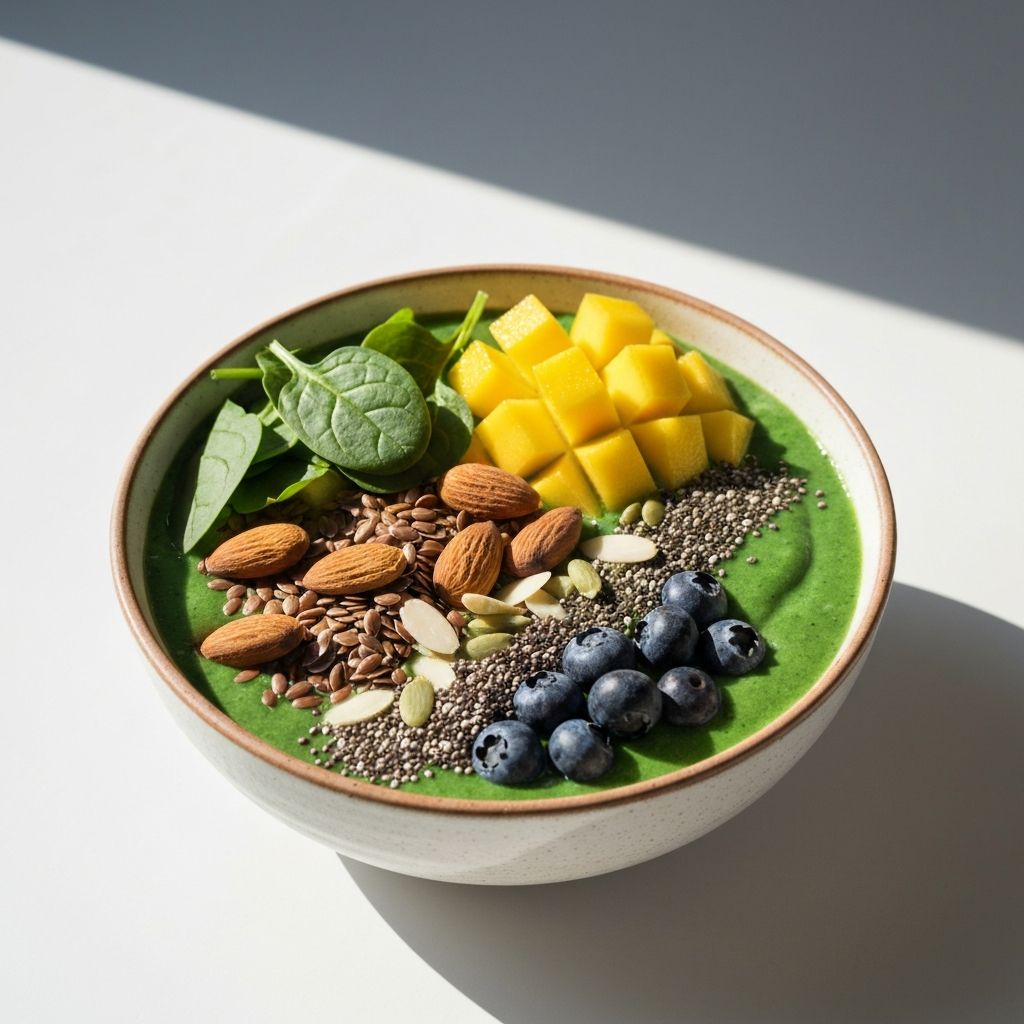
Natural food sources rich in vitamins, minerals, and antioxidants have been studied for their role in supporting daily energy levels and overall vitality.

  • Leafy greens and cruciferous vegetables provide essential micronutrients
  • Nuts and seeds offer healthy fats and protein
  • Berries contain antioxidants that support cellular health
  • Whole grains provide sustained energy throughout the day
  • Legumes deliver plant-based protein and fiber

These insights are educational in nature and describe general nutritional principles rather than specific recommendations for individuals.

Natural energy boosting foods

Balanced Diet and Lifestyle Habits

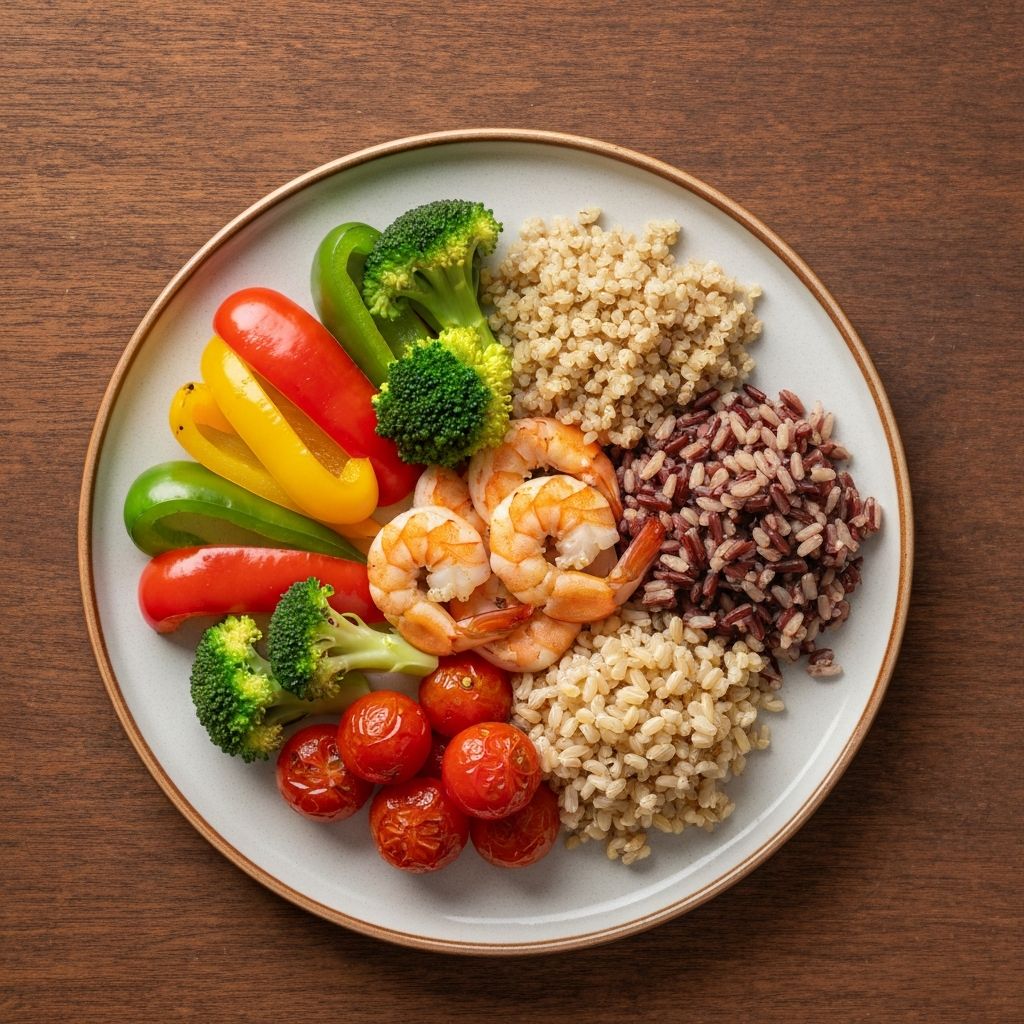
A balanced approach to nutrition involves consuming a variety of food groups in appropriate proportions. Research suggests that combining proper nutrition with regular physical activity, adequate sleep, and stress management creates a foundation for long-term wellbeing.

Key Components of Balanced Nutrition

  • Colorful vegetables and fruits for diverse nutrients
  • Quality proteins from both plant and animal sources
  • Complex carbohydrates for sustained energy
  • Healthy fats from nuts, seeds, and olive oil
  • Adequate hydration throughout the day

These principles represent general educational information about nutrition science and healthy eating patterns.

Balanced meal plate

Scientific Insights on Nutrition

Nutritional science has evolved significantly over recent decades. Modern research explores the relationship between diet quality, micronutrient intake, and various aspects of human physiology.

Micronutrients and Daily Function

Vitamins and minerals play essential roles in energy metabolism, immune function, and cellular processes. Zinc, magnesium, vitamin D, and B-complex vitamins are among the nutrients frequently studied in the context of male health after 40.

Phytonutrients in Plant Foods

Plant-based foods contain thousands of naturally occurring compounds called phytonutrients. These include polyphenols, flavonoids, and carotenoids, which have been subjects of extensive scientific research regarding their biological activities.

Educational Context: Information presented here summarizes general scientific knowledge and is not intended as guidance for specific health conditions or individual circumstances.

Herbal and Plant-Based Components

Various cultures throughout history have incorporated herbs and plant-based ingredients into daily nutrition. Contemporary research continues to explore the nutritional and functional properties of these natural components.

Common Plant-Based Ingredients

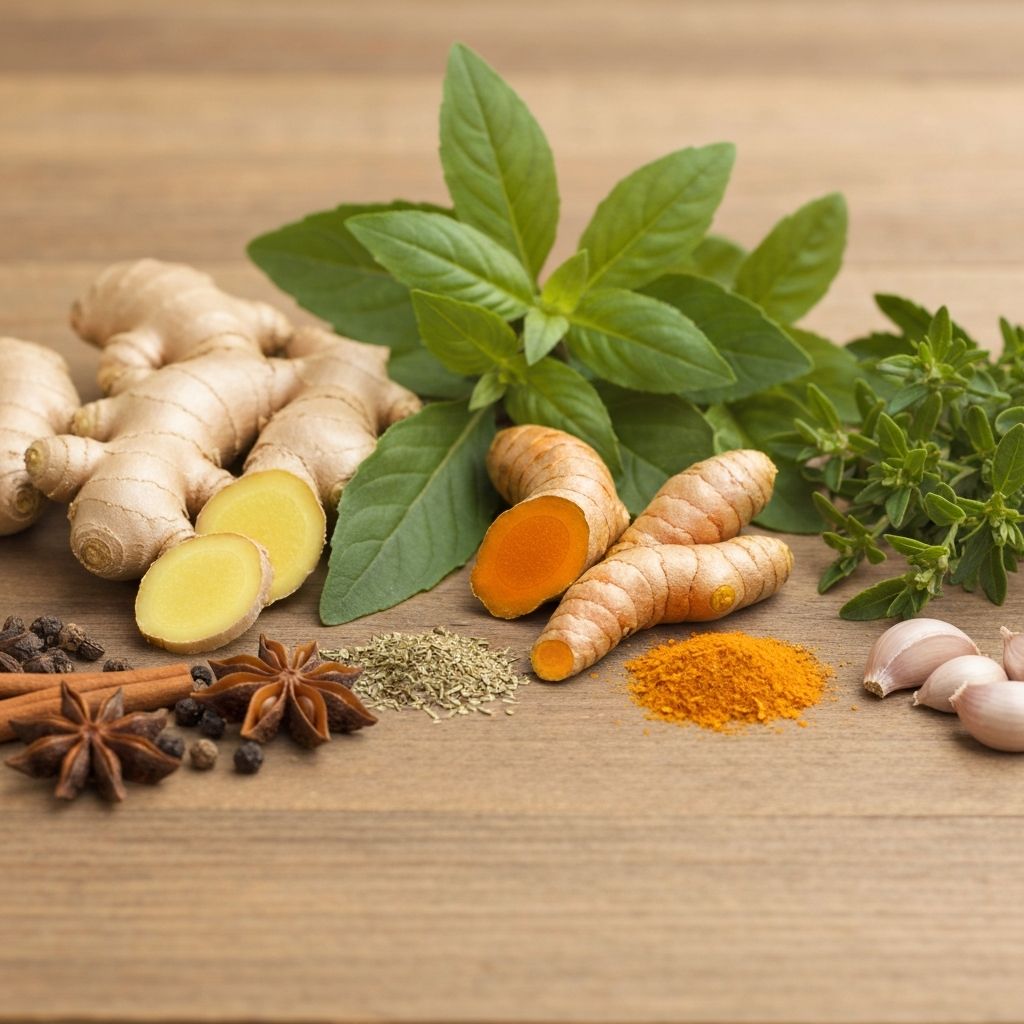
  • Ginger root - traditionally used in culinary and wellness practices
  • Turmeric - contains curcumin, a widely studied compound
  • Green tea - rich in polyphenols and antioxidants
  • Garlic - contains sulfur compounds studied for various properties
  • Cinnamon - aromatic spice with historical significance

This information describes the general characteristics of plant-based ingredients and their historical context, not their application for specific purposes.

Fresh herbs and plant-based ingredients

Cultural and Historical Perspectives

Different cultures around the world have developed unique approaches to nutrition and wellness over centuries. These traditions often emphasize whole foods, seasonal eating, and the integration of specific herbs and spices.

Mediterranean Tradition

Characterized by abundant vegetables, olive oil, fish, whole grains, and moderate wine consumption. This dietary pattern has been extensively studied in nutritional epidemiology.

Asian Dietary Patterns

Traditional Asian diets often feature rice, vegetables, fermented foods, green tea, and modest portions of fish and meat. These patterns vary significantly across different regions.

Nordic Approach

Emphasizes local, seasonal ingredients including fish, berries, root vegetables, and whole grains. This regional pattern has gained attention in nutritional research.

These descriptions provide cultural and historical context rather than recommendations for specific dietary choices.

Common Misconceptions in Diet

Nutritional information can sometimes be misunderstood or oversimplified. Understanding common misconceptions helps provide clearer educational context.

Clarifying Nutritional Concepts

Misconception: All fats are unhealthy.
Context: Nutritional science distinguishes between different types of fats. Unsaturated fats from nuts, seeds, and olive oil play important roles in nutrition.

Misconception: Carbohydrates should be completely avoided.
Context: Complex carbohydrates from whole grains, vegetables, and legumes provide essential nutrients and energy.

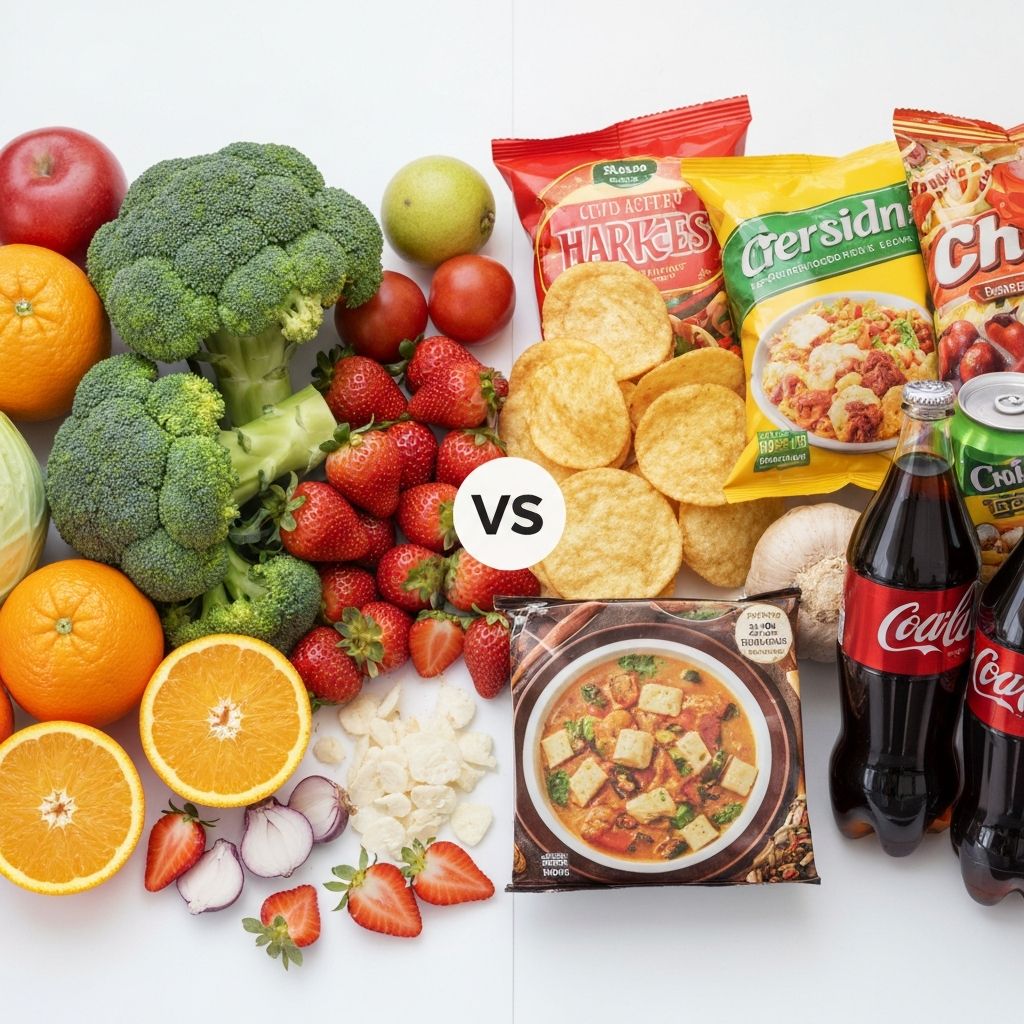
Misconception: Supplements can replace whole foods.
Context: Whole foods provide a complex matrix of nutrients, fiber, and phytonutrients that work synergistically.

Healthy whole foods versus processed foods

Limitations and Context

Important Educational Context:

All information provided on this website is for educational purposes only. It describes general nutritional concepts, historical perspectives, and scientific knowledge in accessible language.

This content does not constitute individual advice, recommendations, or guidance for specific health conditions. Nutritional needs vary significantly among individuals based on age, activity level, health status, and other factors.

Readers should understand that dietary approaches are diverse, and what works well in one context may not be appropriate in another. This resource does not promote specific products, services, or outcomes.

For personalized guidance regarding nutrition, health conditions, or lifestyle changes, consult with qualified healthcare professionals who can assess your individual circumstances.

Frequently Asked Questions

What is the purpose of this educational resource?

This website provides general educational information about nutrition and natural approaches for men over 40. It explains concepts, describes research findings, and offers cultural and historical context without providing individual recommendations.

Is this information applicable to everyone?

Nutritional needs vary greatly among individuals. This content describes general principles and should not be interpreted as suitable for every person or situation. Individual circumstances require personalized assessment.

Does this website provide health advice?

No. This is an educational resource that explains nutritional concepts and scientific knowledge. It does not provide health advice, diagnoses, or recommendations for specific individuals.

How should I use this information?

This information can help you better understand nutritional science and dietary approaches. For applying any information to your personal situation, consult with qualified healthcare professionals.

Are the plant-based components discussed here recommended for me?

The content describes various plant-based ingredients and their general characteristics for educational purposes. It does not recommend specific components for individual use. Suitability varies based on personal factors.

Additional Reading and References

Expanding your knowledge about nutrition and wellness can provide valuable context for understanding how lifestyle choices relate to overall wellbeing.

Topics for Further Exploration

  • Nutritional biochemistry and metabolism
  • The role of micronutrients in human physiology
  • Cultural dietary patterns around the world
  • Principles of balanced eating
  • The relationship between lifestyle and longevity
  • Plant-based nutrition and phytonutrients

These topics represent areas of ongoing scientific research and cultural study. Educational materials from reputable sources can provide deeper understanding of these subjects.

Educational reading about nutrition

Stay Informed

Receive educational content about nutrition and natural approaches to wellbeing. This form is used only for informational newsletter purposes. We do not sell directly.

By submitting, you agree to receive educational information. You can unsubscribe at any time.